
When to change engine oil: myths vs. reality
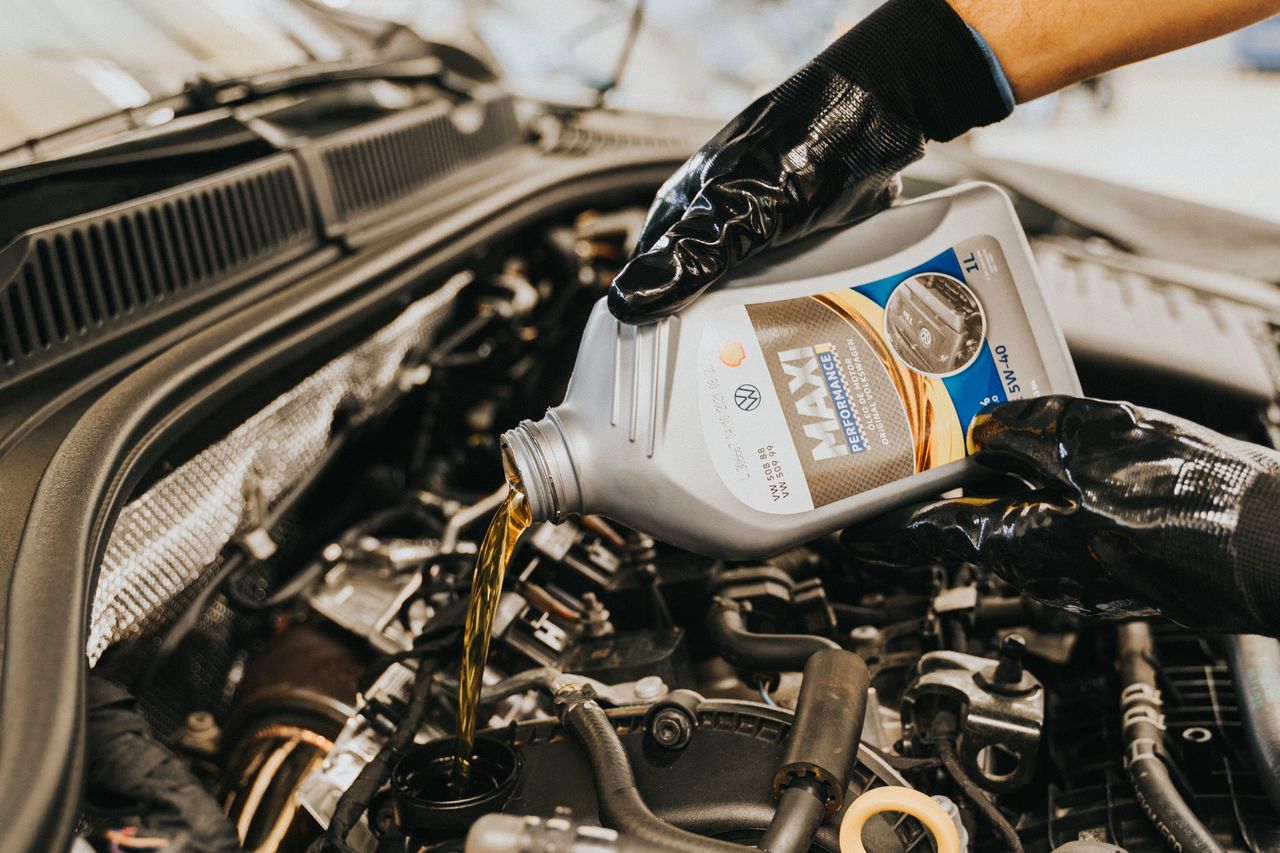
Most car manufacturers recommend changing oil every 15,000–20,000 km or once a year. Some premium brands allow intervals up to 30,000 km. Sounds convenient, but there's a catch — those numbers are calculated for ideal operating conditions.
What "ideal conditions" actually means
Ideal conditions mean smooth highways, steady speed, clean air, and a temperature of 20–25°C. In reality, you sit in traffic, drive on gravel roads to your summer house, and start your car at –20°C. All of this shortens the real service life of oil far faster than the manual suggests.
Real intervals for our climate
For city driving in Estonian conditions, we recommend changing oil every 10,000 km or once a year — whichever comes first. For turbocharged engines and aggressive driving — every 7,000–8,000 km.
This isn't marketing — we see what the oil looks like at change time. After 15,000 km of city driving, it's black and thin, the additives are spent. The engine still runs, but protection is already minimal.
What to watch for
- Check the oil level once a month — the dipstick shows both level and condition
- If the oil has turned black and smells burnt, it's time to change it, even if you haven't hit the mileage mark yet
- Use oil with the approval recommended by your car's manufacturer — not "the most expensive" or "the cheapest," but the specific approval (VW 504.00, BMW LL-04, MB 229.51, etc.)
- When buying a new car, check the exact approval in the service book — requirements can differ by market
We'll select the right oil at your next change and recommend the optimal interval for your specific car and driving style.